
Dental Headaches
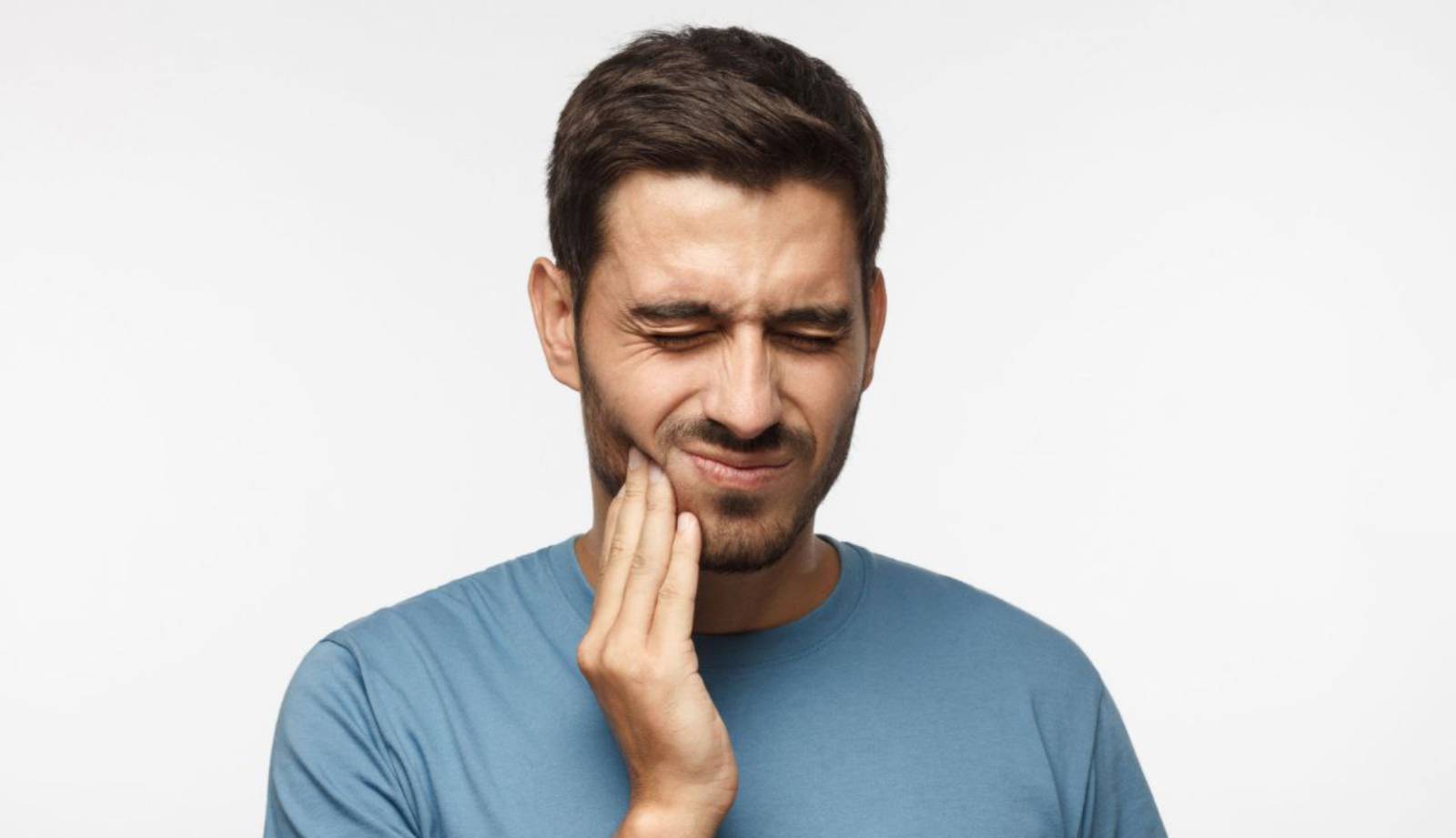
Can Dental Problems Cause Headaches? Understanding the Connection Between Oral Health and Head Pain
Headaches are among the most common health complaints, affecting millions of people every day. Many individuals attribute their recurring headaches to stress, screen time, dehydration, or lack of sleep. However, what often goes unnoticed is that dental problems can also be a major contributing cause of head pain, especially when the headaches are persistent or resistant to typical treatments. At our clinic, we have treated patients who spent months consulting physicians and neurologists for chronic headaches, only to discover that the discomfort originated not in the head, but in the teeth, jaw, or gums.
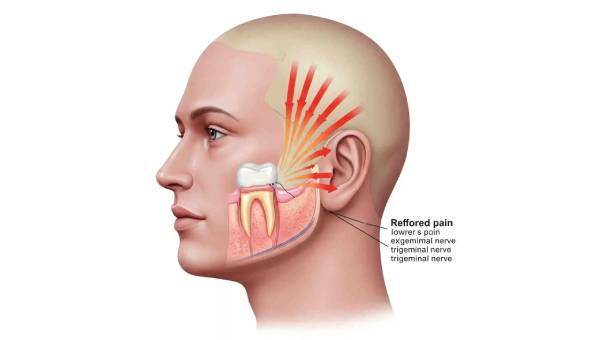
Understanding the link between oral health and headache disorders is an important step toward relief. The mouth, face, and head share a complex network of nerves, particularly the trigeminal nerve, which is responsible for sensation across the face, jaw, and teeth. When dental structures irritate or strain this nerve, the pain can radiate upward and present as a headache.
This blog explores the science behind dental-related headaches, the dental conditions that commonly trigger head pain, symptoms to watch out for, and treatment options that may offer long-awaited relief.
How Dental Issues Lead to HeadachesTo understand how dental problems cause headaches, it helps to know how closely connected the jaw and head structures are. The trigeminal nerve has several branches that supply the teeth, gums, jaw joints, and parts of the head. Any condition that irritates or stresses these branches can cause referred pain, meaning that although the problem originates in the mouth, the discomfort is felt as a headache.
Additionally, when the jaw muscles become strained,whether from clenching, malocclusion (poor bite alignment), or jaw joint disorders,they can trigger tension-type headaches. These are commonly felt around the temples, behind the eyes, or at the back of the head. Some dental issues may even mimic migraine symptoms, making the diagnosis more challenging without a dental assessment.
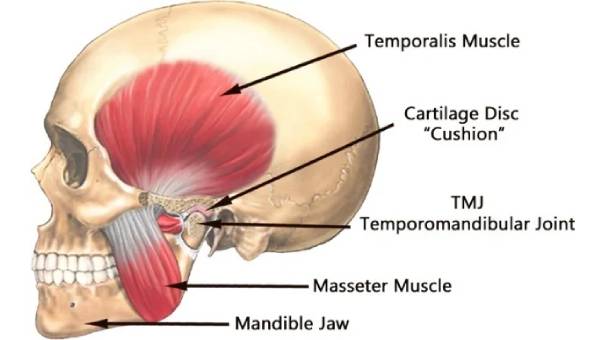
Temporomandibular Joint Disorders (TMJ or TMD)
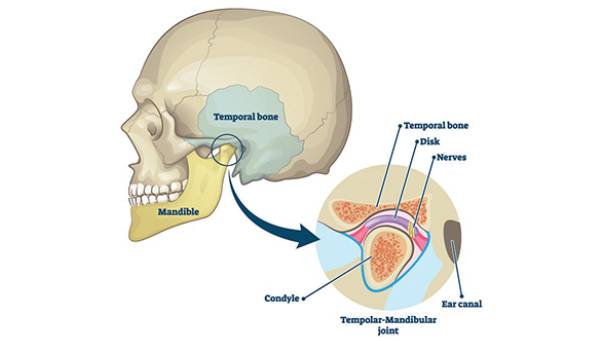
Temporomandibular joint disorders are among the most
frequent dental causes of chronic headaches. The TMJ
connects the lower jaw to the skull, and when it becomes
inflamed, displaced, or overused, it can cause pain that
radiates across the temples, face, ears, and head.
People often experience difficulty chewing, popping or
clicking sounds in the jaw, stiffness, or pain around
the ear,symptoms that may be mistaken for sinus or
migraine-related pain.
Teeth Grinding (Bruxism)
Teeth grinding,often an unconscious habit during
sleep,is another frequent trigger. It places excessive
pressure on the teeth and jaw muscles. Many patients who
grind their teeth report morning headaches, along
with jaw fatigue, worn teeth, and neck or shoulder
tension. Stress-induced bruxism has become increasingly
common and can significantly contribute to chronic head
pain.
Malocclusion or Improper Bite
A bite that does not align properly forces the jaw
muscles to work harder, even during simple tasks like
chewing or speaking. Over time, this muscular strain can
lead to ongoing headaches. Patients may not realize
their bite is misaligned until a dentist performs a
thorough evaluation, as the symptoms can present subtly:
headaches, jaw tension, or difficulty chewing.
Tooth Infections and Abscesses
When decay reaches the pulp of a tooth and leads to
infection, inflammation can trigger severe, throbbing
pain that may radiate as a headache. These headaches are
often persistent and may worsen when lying down. Root
canal treatment or other dental intervention is often
necessary to remove the infection and stop the pain.
Impacted or Erupting Wisdom Teeth
Wisdom teeth that are impacted or erupting at the wrong
angle can compress nearby nerves or cause infection in
surrounding gum tissues. This irritation may produce
headaches, jaw pain, and sometimes ear pain. Removal of
problematic wisdom teeth frequently resolves these
symptoms.
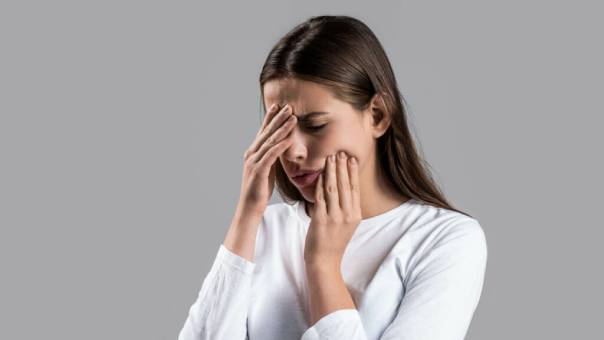
Headaches with a dental origin often share distinct characteristics. You may notice that the pain begins near the jaw, teeth, or temples before spreading across the head. The pain may also worsen while chewing, speaking, or opening the mouth widely. Morning headaches can suggest nighttime grinding, while consistent pain on one side of the face or head may point toward a specific tooth or jaw joint.
Patients often report that pain medications provide only temporary relief, and headaches return until the underlying dental cause is treated.

Because dental pain can present in areas not immediately associated with the mouth,such as the neck, eyes, or temples,these headaches are frequently misdiagnosed. People may spend months undergoing neurological scans and switching medications without improvement. Only when a dental evaluation is performed does the real cause surface.
This is why, for persistent or unexplained headaches, consulting both a physician and a dentist is often the most effective approach.
Diagnosis and TreatmentA dentist may use a combination of clinical examination, digital X-rays, CBCT scans, and a bite analysis to identify the source of pain. Treatment depends on the cause. TMJ disorders may be managed with jaw exercises, oral splints, bite correction, or anti-inflammatory therapy. Bruxism is often treated using a custom-made night guard, along with stress reduction strategies. Tooth infections typically require root canal treatment or extraction. Impacted wisdom teeth may need surgical removal.
In many cases, addressing the dental issue provides significant improvement in headaches, sometimes eliminating them entirely.
Prevention and Home CareMaintaining oral health can reduce the risk of dental-related headaches. Good practices include daily brushing and flossing, regular dental check-ups, avoiding excessive chewing of gum, staying hydrated, managing stress to minimize jaw clenching, and wearing a night guard if recommended.
Frequently Asked Questions
Can dental problems really cause migraine-like
headaches?
Yes. Although not all migraines originate in the mouth,
certain dental issues,particularly TMJ disorders and
bruxism,can trigger headaches that closely mimic
migraine symptoms.
If I grind my teeth at night, will a night guard stop
my headaches?
For many patients, yes. A night guard reduces pressure
on the jaw and protects the teeth, often decreasing
morning headaches and muscle soreness.
Why do headaches get worse when my wisdom teeth come
in?
Impacted or misaligned wisdom teeth may compress nerves
or cause gum inflammation, leading to pain that radiates
to the head.
If I have sinus pressure and jaw pain, how do I know
if it is dental?
Dental infections, especially in upper molars, can
resemble sinus problems because of their close
anatomical relationship. A dental evaluation and
radiographs can help determine the cause.
Will treating a cavity relieve my headache?
If the cavity is deep enough to irritate the nerve or
cause infection, treating it,often through a filling or
root canal, can eliminate the headache associated with
it.
Dental causes of headaches are more common than many realize. The oral cavity, jaw joints, and teeth are closely linked to the nervous system, and disorders in these areas can trigger head pain that seems unrelated to dental health. If you or someone you know struggles with recurring headaches that have not responded to conventional treatments, a dental assessment may be the missing piece.