
What Is Tartar
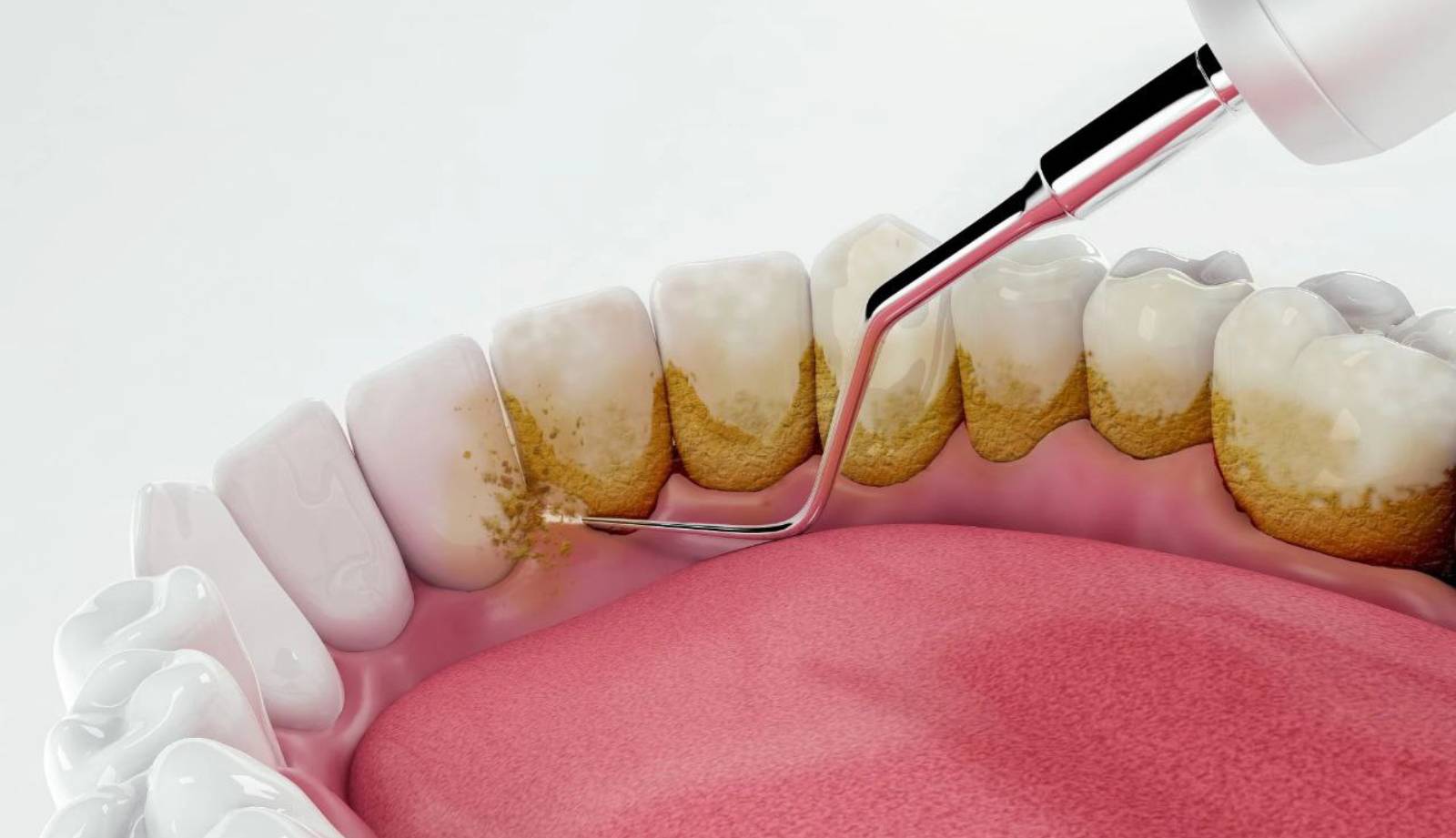
What Is Tartar and How Do You Get Rid of It?
Introduction: The Hidden Enemy Behind Your SmileEven if you brush and floss daily, you may notice a yellowish or brown layer near your gumline. That’s tartar — also known as dental calculus — and it’s one of the most stubborn oral-hygiene problems.
Tartar buildup not only affects your smile’s appearance but also contributes to gum disease, cavities, and chronic bad breath.
In this blog, our dental experts at Trivandrum Dental Specialists’ Group explain everything you need to know about tartar — from how it forms to how you can get rid of it effectively and safely.
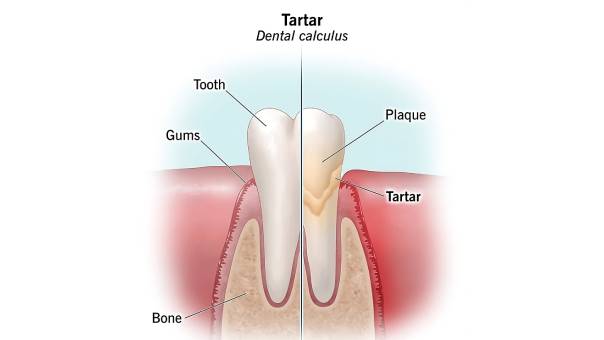
What Exactly Is Tartar?Tartar is a hardened form of plaque — the sticky film of bacteria that constantly forms on your teeth.
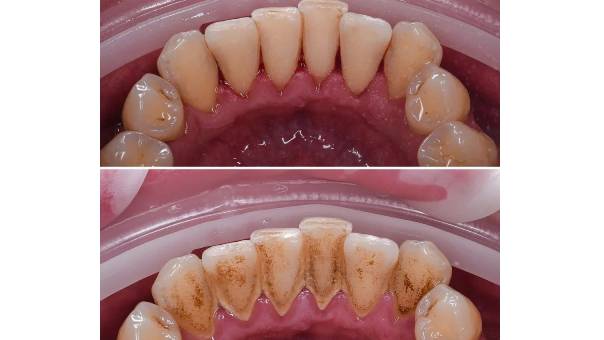
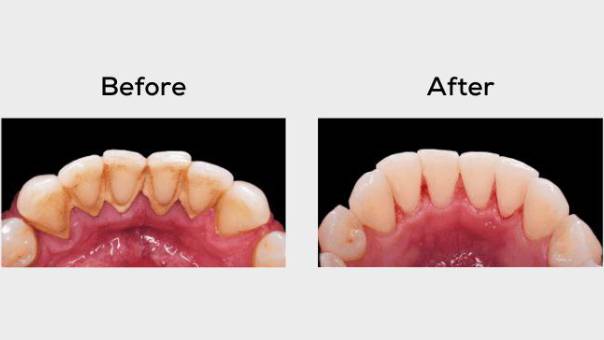
When plaque isn’t removed properly through brushing and flossing, minerals in your saliva harden it into tartar. Once it forms, tartar adheres tightly to your enamel and gumline, becoming extremely difficult to remove without professional help.
This hardened layer provides an ideal environment for more bacteria to grow, which can irritate your gums and lead to long-term oral-health problems.
Tartar buildup is most common:
-
Behind the lower front teeth
-
Around the gumline
-
Between molars
-
On rough or irregular tooth surfaces
Tartar doesn’t appear overnight — it develops gradually from unremoved plaque:
-
1. Plaque formation begins when bacteria mix with food particles and saliva.
-
2. The bacteria feed on sugars and starches, producing acids that weaken enamel.
-
3. If not cleaned off within 24–48 hours, the plaque starts to harden.
-
4. Over a few days, it becomes tartar, which bonds strongly to your teeth.
Certain factors increase your risk of tartar buildup, including:
-
Poor brushing and flossing habits
-
Dry mouth (reduced saliva flow)
-
Smoking or tobacco use
-
Crowded or misaligned teeth
-
High-sugar diet
| Feature | Plaque | Tartar |
|---|---|---|
| Texture | Soft, sticky film | Hard, crusty deposit |
| Color | Colorless or pale yellow | Yellow, brown, or black |
| Formation Time | Within hours | After 1–3 days of unremoved plaque |
| Removal | Brushing and flossing | Professional dental cleaning only |
| Health Impact | Causes cavities | Causes gum disease and enamel damage |
Simply put: plaque can be prevented; tartar must be treated.
Why Tartar Is a Serious ProblemTartar buildup can cause more than just an unsightly smile. It’s directly linked to several oral-health issues:
-
1. Gum Inflammation (Gingivitis)
The rough surface of tartar irritates the gums, causing them to become red, swollen, and prone to bleeding. Tartar buildup irritates the gums, leading to gingivitis and bleeding gums — a topic we’ve explored in detail in our blog on why gums bleed and how to treat it. -
2. Periodontal Disease
If untreated, gingivitis progresses to periodontitis, an advanced gum infection that affects the bone and can lead to tooth loss. -
3. Tooth Decay
The bacteria trapped within tartar produce acids that erode enamel, leading to cavities. -
4. Persistent Bad Breath (Halitosis)
Tartar harbors bacteria that release foul-smelling sulfur compounds, resulting in chronic bad breath. -
5. Tooth Discoloration
Because tartar is porous, it easily absorbs stains from coffee, tea, and tobacco, dulling your smile. Tooth discoloration caused by tartar can make your smile appear dull. If you’re considering cosmetic improvements, check out our guide — Is Teeth Whitening Safe?.
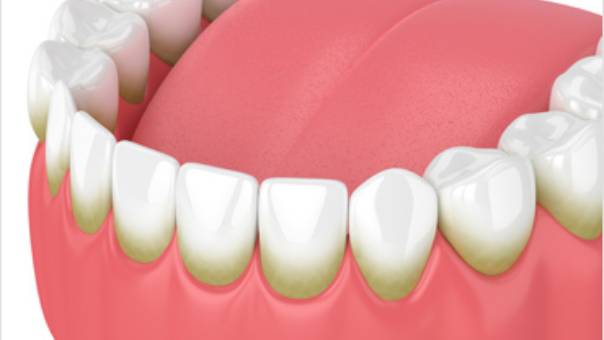
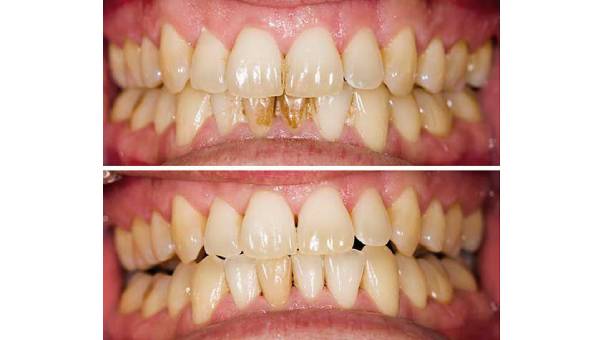
Common signs you may have tartar buildup:
-
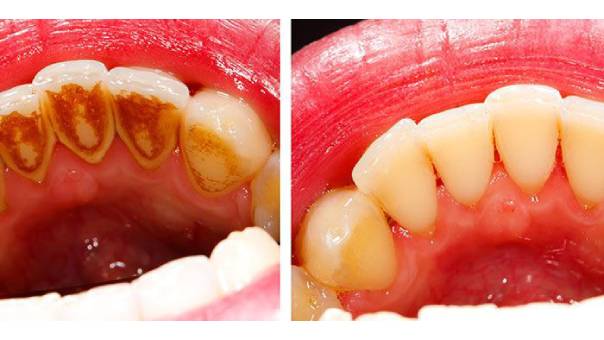
Yellow or brown deposits on teeth that brushing doesn’t remove
-
Gums that bleed while brushing or flossing
-
Persistent bad breath
-
Roughness on tooth surfaces near gums
-
Receding gums or tooth sensitivity
If you notice any of these signs, it’s time to book a professional dental check-up in Trivandrum.
Can You Remove Tartar at Home?Unfortunately, no — once tartar forms, it’s too hard to be removed with a toothbrush or toothpaste.
Scraping or picking at tartar at home can injure your gums or enamel, potentially worsening the problem.
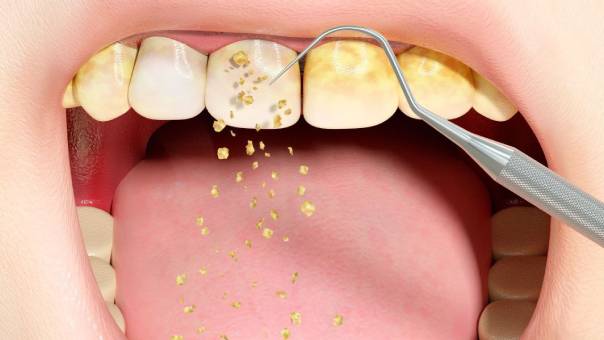
The safest and most effective way to remove tartar is through professional teeth scaling and polishing, performed by a qualified dentist or dental hygienist.
How Dentists Remove TartarAt Trivandrum Dental Specialists’ Group, tartar removal is performed using modern ultrasonic scaling technology for a gentle, effective cleaning experience.
Here’s how a typical professional dental cleaning works:
-
Step 1: Oral Examination
Your dentist first checks your teeth and gums for tartar deposits, inflammation, or infection. -
Step 2: Ultrasonic Scaling
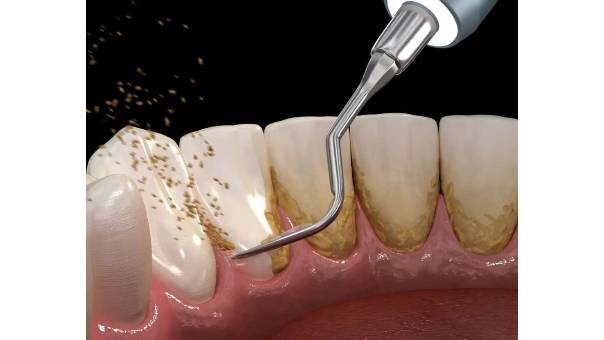
A specialized ultrasonic scaler uses high-frequency vibrations to break tartar into small pieces. Simultaneous water spray washes away the debris. -
Step 3: Hand Scaling (Fine Cleaning)
Dentists use small hand instruments to clean between teeth and below the gumline for complete tartar removal. -
Step 4: Polishing
Your teeth are then polished with a smooth paste to remove stains and make it harder for new plaque to stick. -
Step 5: Optional Fluoride Treatment
A fluoride gel may be applied to strengthen enamel and protect against cavities.
Duration: 30–45 minutes
Recommended Frequency: Every 6 months (or 3 months for those with gum issues or heavy buildup)
If you’re searching for teeth scaling in Trivandrum or professional dental cleaning near me, Trivandrum Dental Specialists’ Group provides gentle, effective tartar removal for healthier teeth and gums.
Tartar prevention starts with consistent oral hygiene and mindful daily habits.
-
1. Brush Twice a Day
Use a soft-bristled toothbrush and fluoride toothpaste. Brush for at least two minutes, covering all surfaces. -
2. Use a Tartar-Control Toothpaste
Some toothpaste contains active ingredients like pyrophosphates and zinc citrate that slow tartar buildup. -
3. Floss Daily
Flossing removes plaque and food particles between teeth where your brush can’t reach. -
4. Rinse with Antibacterial Mouthwash
It helps reduce bacteria and slows down plaque formation. -
5. Reduce Sugar and Starch Intake
Limit sugary snacks and drinks — bacteria thrive on these foods. -
6. Avoid Smoking or Tobacco
Smoking accelerates tartar buildup and increases the risk of gum disease. -
7. Schedule Regular Dental Cleanings
Visit your dentist every 6 months for professional cleaning and preventive care.
You should schedule a professional dental cleaning if:
-
It’s been more than six months since your last cleaning
-
You notice yellow or brown buildup on your teeth
-
Your gums bleed while brushing
-
You have chronic bad breath
-
You’re prone to cavities or gum disease
Regular dental visits prevent tartar buildup and protect your overall oral health.
1. What causes tartar to form even if I brush
regularly?
Even with regular brushing, tiny areas like the gumline
and between teeth often retain plaque. Over time,
minerals in your saliva harden this plaque into tartar.
2. Can tartar damage teeth permanently?
Yes. If left untreated, tartar can cause
enamel erosion, gum recession, and tooth loss due
to periodontal disease. Early professional cleaning can
reverse mild gum inflammation.
3. How often should I get my teeth cleaned by a
dentist?
Most people should have professional
scaling and polishing every 6 months; those with
gum disease or braces may need it every 3–4 months.
4. Is dental scaling painful?
Not at all. Ultrasonic scaling is
gentle and non-invasive; you may feel mild
vibrations or sensitivity, but no pain.
5. What’s the difference between plaque removal and
tartar removal?
Plaque can be brushed away at home, while tartar is
hardened and requires professional tools for safe
removal.
6. Can mouthwash prevent tartar?
Mouthwash can reduce bacteria and slow plaque buildup,
but it cannot remove tartar once it forms. It’s a
supporting step, not a replacement for cleaning.
7. Does diet affect tartar buildup?
Yes. A diet high in
sugars, starches, and acidic foods promotes
plaque formation. Choose
fiber-rich fruits, vegetables, and water to
neutralize acids.
8. What happens if I never remove tartar?
Ignoring tartar leads to gum inflammation, tooth decay,
bone loss, and eventually tooth loss. Regular
dental care prevents these complications.
Tartar may seem minor at first glance, but it’s one of the biggest threats to long-term dental health. Once it forms, only a professional dental cleaning can remove it safely.
By maintaining good oral hygiene and scheduling regular dental visits, you can keep your teeth clean, your gums healthy, and your smile confident.
If you’re looking for dental cleaning in Trivandrum or teeth scaling near you, visit Trivandrum Dental Specialists’ Group — where expert care and modern technology work together to protect your smile.